The AI Psychosis Debate: Exploring the Intersection of Artificial Intelligence and Human Decision-Making
The debate over AI psychosis highlights the need to design AI systems that complement human decision-making, rather than replacing it. By prioritizing human agency and trust, and developing AI systems that are transparent, explainable, and fair, we can ensure that AI is used to augment human decision-making, rather than replacing it. This requires a nuanced understanding of the benefits and limitations of AI in human decision-making, as well as a commitment to designing AI systems that keep human decision-makers in mind.
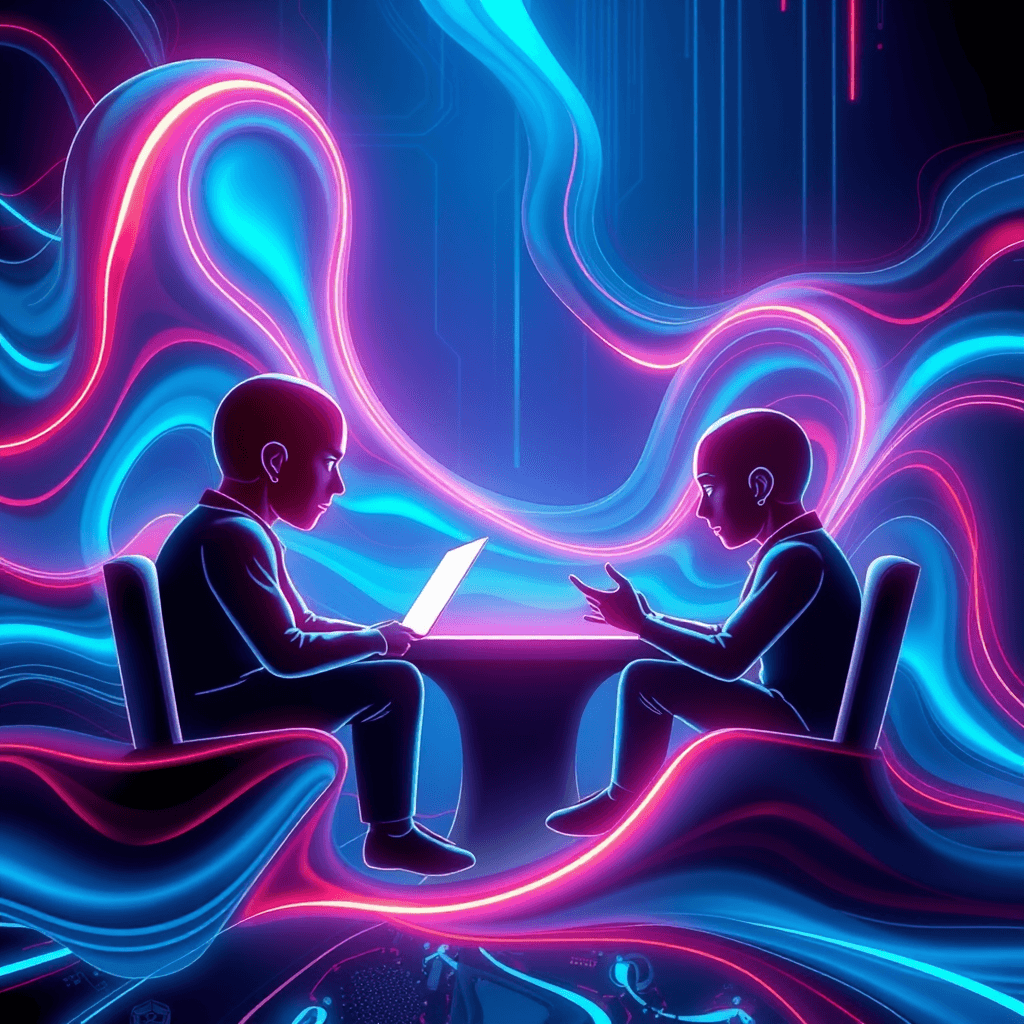 Article
The increasing reliance on artificial intelligence (AI) in decision-making processes has sparked a debate about the role of human judgment in the age of AI. As AI becomes more advanced, there is a growing concern that it may replace human decision-makers, leading to what some experts call 'AI psychosis.' But what does this term really mean, and how does it impact the way we make decisions?
According to recent research, human experience and judgment are still critical to making decisions, as AI can't always distinguish good ideas from bad ones. This is because AI systems lack the nuance and context that human decision-makers take for granted. As a result, there is a need to design AI systems that complement human decision-making, rather than replacing it.
There are several benefits to using AI to support human decision-making. For one, AI can save time and improve accuracy by automating routine tasks and providing data-driven insights. Additionally, AI can help identify patterns and trends that may not be immediately apparent to human decision-makers.
- Improved accuracy: AI can analyze large datasets and provide accurate predictions and recommendations.
- Increased efficiency: AI can automate routine tasks, freeing up human decision-makers to focus on more complex and strategic decisions.
- Enhanced decision-making: AI can provide data-driven insights that can inform human decision-making and reduce the risk of bias and error.
Despite the benefits of AI, there are also several limitations to its use in human decision-making. For one, AI systems lack the nuance and context that human decision-makers take for granted. Additionally, AI systems can be biased and may not always be transparent in their decision-making processes.
AI's rapid advancement has ignited enthusiasm about its potential to revolutionize corporate decision-making by substituting for expensive, fallible humans. However, this enthusiasm is misplaced, as human decision-making is shaped by prior knowledge, habitual behaviors, and external stimuli, such as social norms, that are difficult to replicate with AI systems.
Furthermore, AI systems can be vulnerable to errors and biases, which can have significant consequences in high-stakes decision-making environments. As a result, there is a need to design AI systems that are transparent, explainable, and fair, and that prioritize human agency and trust.
To address the limitations of AI in human decision-making, there is a need to design AI systems that complement human decision-making, rather than replacing it. This can be achieved by developing AI systems that are transparent, explainable, and fair, and that prioritize human agency and trust.
One approach to designing AI that keeps human decision-makers in mind is to focus on developing AI systems that encourage collaboration and feedback between humans and machines. This can be achieved by developing AI systems that provide insights and recommendations, rather than making decisions autonomously.
In conclusion, the debate over AI psychosis highlights the need to design AI systems that complement human decision-making, rather than replacing it. By prioritizing human agency and trust, and developing AI systems that are transparent, explainable, and fair, we can ensure that AI is used to augment human decision-making, rather than replacing it.
Researched and drafted by ZeroPress's automated pipeline, reviewed before publishing. See how it works →